The Visitor Demographic Shift: Why the East Bali Market Timing Is Right
The international visitor arriving in Bali in 2026 is not the same visitor who drove the Canggu and Kuta growth cycle of 2012 to 2019. The demographic composition of Bali’s inbound market has shifted materially and that shift directly supports the three development scenarios modelled for the Sidemen Serenity Estate.
The Ageing Traveller Wave
The 60 to 74-year-old demographic in Australia, Japan, Singapore, and northern Europe represents the fastest-growing segment of long-haul international travel by volume and the highest average spend per traveller of any demographic group. This is the direct consequence of the post-war baby boomer cohort entering retirement age at scale.
| Market | 60+ Population Growth (2020–2030 projection) | Bali Relevance |
|---|---|---|
| Australia | +22% in 60 to 74 age cohort | Largest single source market; strong existing Bali relationship |
| Japan | +8% in 60 to 74 cohort | Culturally aligned with Bali wellness and nature tourism |
| Singapore | +31% in 60 to 74 cohort | High-income base; proximity makes extended stays viable |
| Germany, Netherlands, France | +15% combined | Largest European source market; wellness and culture motivated |
The Wellness Travel Premium
The global wellness tourism market was estimated at USD 651 billion in 2023 and is projected to reach USD 1.3 trillion by 2027 (Global Wellness Institute, 2024). Bali is the most recognised wellness travel destination in Southeast Asia, with Ubud as the established hub. The premium that wellness-positioned properties command over comparable non-wellness accommodation is consistent and measurable.
| Property Type | Typical Bali Highland ADR (USD) | Occupancy | Notes |
|---|---|---|---|
| Standard boutique resort (no wellness programme) | 300 to 450 | 60 to 68% | Price-taker in competitive market |
| Wellness-integrated resort (structured programme) | 480 to 700 | 65 to 76% | 15 to 25% ADR premium over non-wellness comparable |
| Dedicated wellness retreat (minimum stay model) | 600 to 950 per person | 62 to 74% | All-inclusive programme pricing; direct booking model |
Source: Horwath HTL Indonesia Wellness Accommodation Performance Report 2025.
The Long-Stay and Anti-Congestion Shift
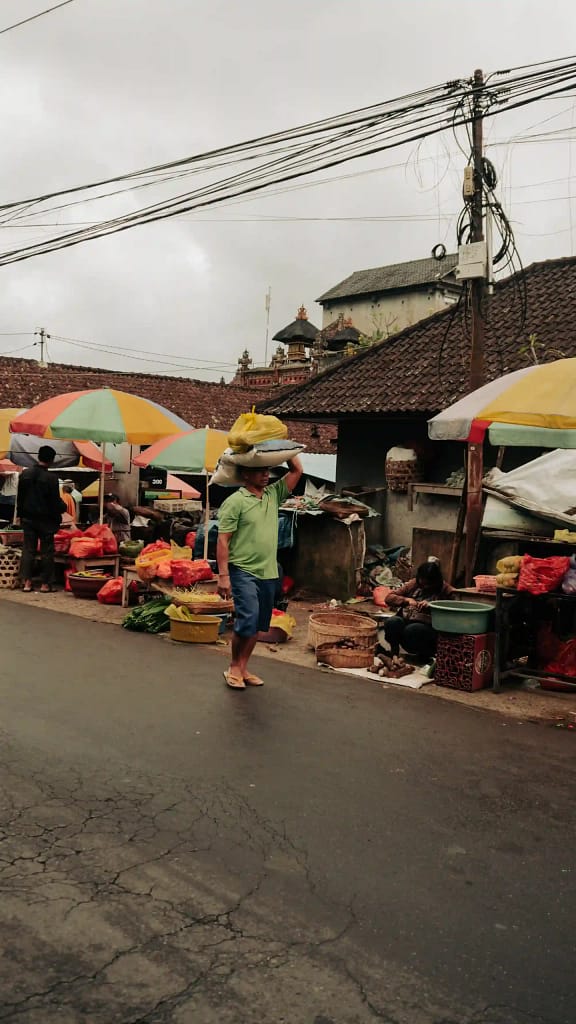
A third demographic trend with direct Sidemen implications is the post-COVID shift toward longer stays and less-crowded destinations. International visitors who have experienced the congestion and commercialisation of South Bali’s peak season are actively seeking alternatives not just cheaper options, but genuinely different experiences.
- Average length of stay for Bali international visitors has increased from 7.2 nights in 2019 to an estimated 9.1 nights in 2024 driven by the growth of workcation and extended leisure travel
- Negative sentiment about South Bali crowding, traffic, and environmental management appears consistently in international travel media as a deterrent to repeat visits to the same areas
- Sidemen-specific search volume has grown significantly since 2022 as travellers search for Bali destinations that deliver the cultural and natural experience without the South Bali congestion

What the Report Covers
- Australia, Japan, Singapore, and European long-stay visitor volume data 2019 to 2025
- Age profile analysis of East Bali overnight visitors shift toward 55-plus demographic
- Indonesia Retirement Visa (Visa Pensiun) framework eligibility, income requirements, duration, and practical implications
- KITAS/KITAP residency pathways for retirees investing in lifestyle communities
- Market sizing how many retiring Australians are actively considering Bali by 2030
- Comparable retirement destinations Chiang Mai, Malaysia, Portugal where Bali sits in the global ranking
- Healthcare access analysis role of Bali's new international hospital in Sanur in expanding the retirement market
- Unit pricing benchmarks for long-stay and retirement lifestyle leases in Bali and comparable Southeast Asian markets
- Entry lease premium financial model how the Stage 3 revenue structure compares to Australian retirement village operators
Access Requirements
This report is prepared for institutional audiences. Access requires Developer Portal registration with your name, organisation, and development focus. It is not publicly circulated and is not available for redistribution.

Register to Download the White Paper
Complete your Developer Portal registration to access the full 48-page Bali Long-Stay and Retirement Market Report.