ESG Reporting: The Data Framework for Institutional Investors
ESG-mandated institutional investors require environmental, social, and governance data before making or maintaining an investment. This page sets out the reporting framework that the Sidemen Serenity development adopts and the data available at the current stage of project development.
Environmental Metrics
| Metric | Baseline Data | Target |
|---|---|---|
| Energy intensity (kWh per occupied room night) | To be established post-construction | Below 25 kWh/night enabled by open-air architecture and solar offset |
| Renewable energy proportion | 0% at acquisition (grid only) | 25 to 40% from solar PV from Year 1 of operations |
| Water intensity (litres per guest night) | To be established post-construction | Below 400 L/guest night spring source and WWTP recycling |
| Carbon footprint construction phase | Embodied carbon calculation in progress | Offset commitment through verified forest conservation credits |
| Biodiversity conservation zone | Stage 4 buffer: 3.2 ha retained as conservation area | No net habitat loss commitment biodiversity management plan |
| Waste diversion rate | To be established post-operations | Target 70% diversion from landfill at stabilised operations |
Social Metrics
| Metric | Commitment | Measurement Basis |
|---|---|---|
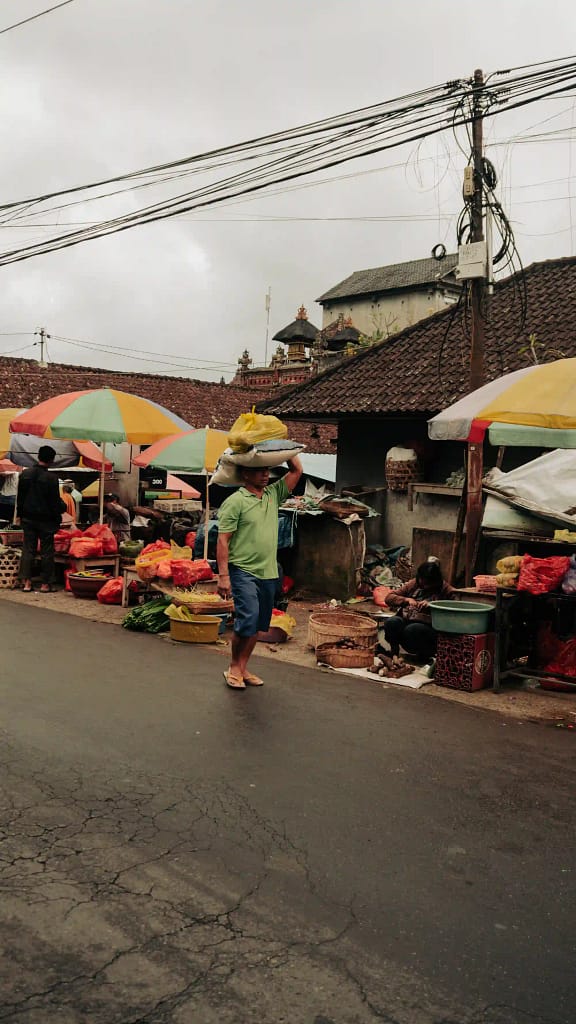
| Local employment | Minimum 60% Karangasem-origin workforce at stabilised operations | Annual workforce census by place of origin |
| Subak preservation | Active rice cultivation retained on agricultural amenity areas | Annual Subak farmer contract renewal and area verification |
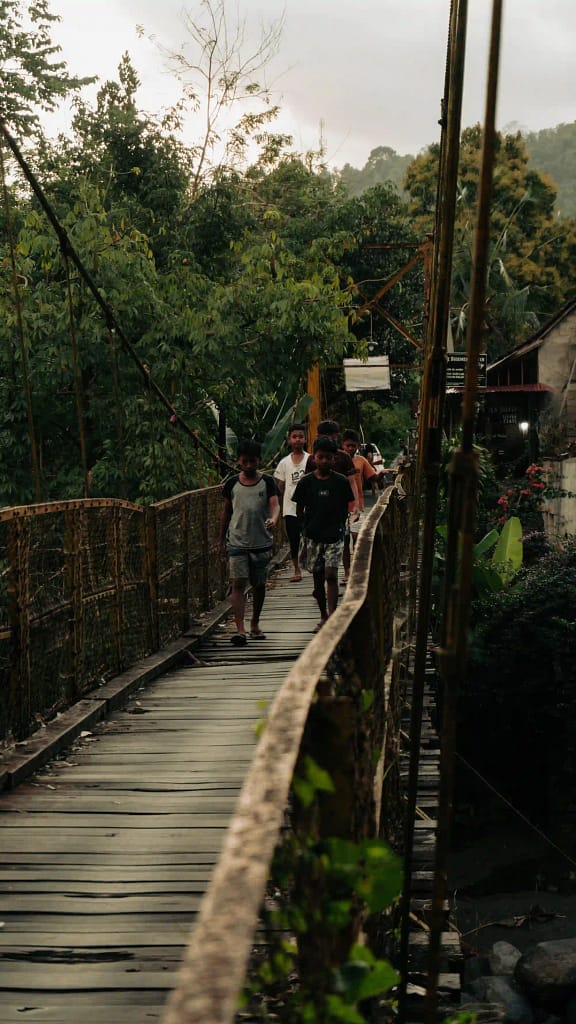
| Community investment | Annual Banjar and Subak contributions committed | Annual community contribution report |
| Gender balance in management | Target 40% female management representation by Year 3 | Annual HR report |
Governance Framework
- PT PMA corporate structure with full Indonesian regulatory compliance LKPM, tax, and BPJS obligations met quarterly and annually
- Independent audit of financial statements from first full year of operations KAP-certified Indonesian public accountant
- Community grievance mechanism formal process for Banjar and community complaint resolution documented in the AMDAL RKL-RPL (Environmental Management and Monitoring Plan)
- B-Corp certification pathway formal application to be lodged in Year 2 of operations for the eco-lodge scenario, subject to meeting minimum B Impact Assessment score threshold
What the Subak Is
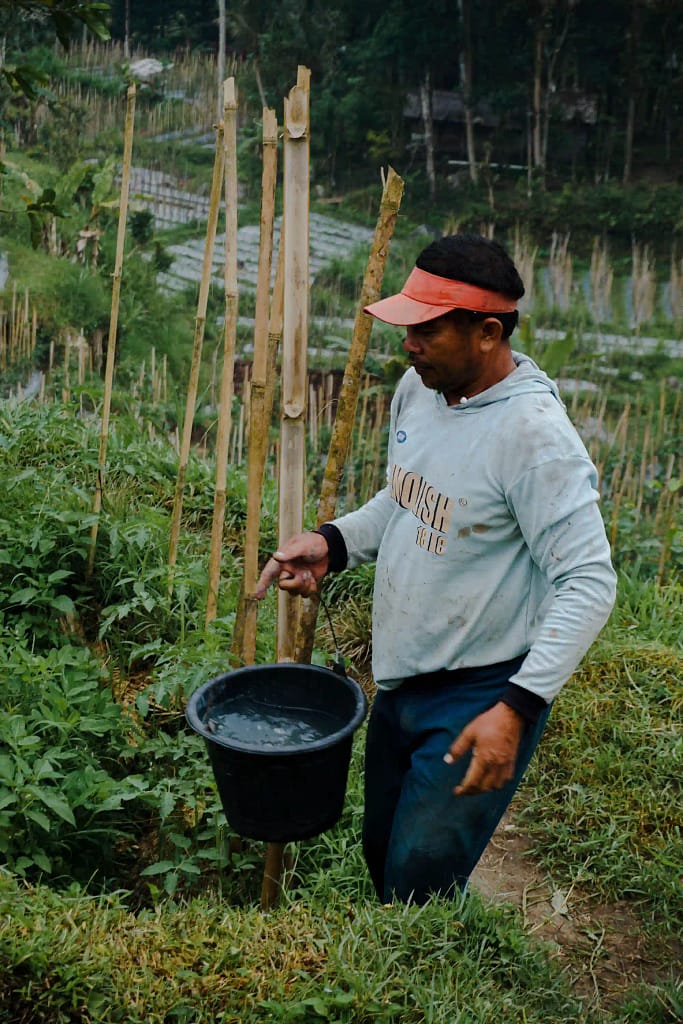
- A governance body: The Subak collectively manages the allocation of water through the terraced irrigation system. It sets rules for planting cycles, water scheduling, and ceremonial obligations tied to the agricultural calendar
- A legal entity: The Subak system has legal standing under Indonesian customary law and Balinese provincial regulation. Its water rights pre-date the national land law system
- A UNESCO Cultural Landscape: Inscribed in 2012 as part of the Cultural Landscape of Bali Province: the Subak System as a Manifestation of the Tri Hita Karana Philosophy though the Sidemen Subak system does not fall within the formal UNESCO boundary
The Commercial Case for Preservation
The active rice terraces of the Sidemen valley are the primary visual and experiential asset of the destination. They are what makes aerial photography compelling, what gives guests a sense of authentic Bali, and what justifies the eco-luxury premium positioning of the resort and eco-lodge scenarios. Disrupting or removing them which is technically possible but legally complex would eliminate the most important commercial differentiator.
The development concept retains active rice cultivation across the agricultural amenity zones of the estate under formal agreement with local Subak farmers. This is not an act of altruism it is recognition that the terraces are worth more operating than developed.
The Subak Partnership Framework
- Formal written engagement agreement with the relevant Subak governing body required before AMDAL submission
- Annual financial contribution to the Subak or in-kind commitment to fund terrace maintenance within the estate amenity areas
- Water rights agreement confirming the development's spring abstraction does not reduce Subak irrigation allocations
- Subak farmer employment contracts for ongoing management of the agricultural amenity areas within the development

Access the Full Environmental Baseline Report
The ecological survey data, biodiversity assessment, and water resource baseline are available to registered investors in the Developer Portal.